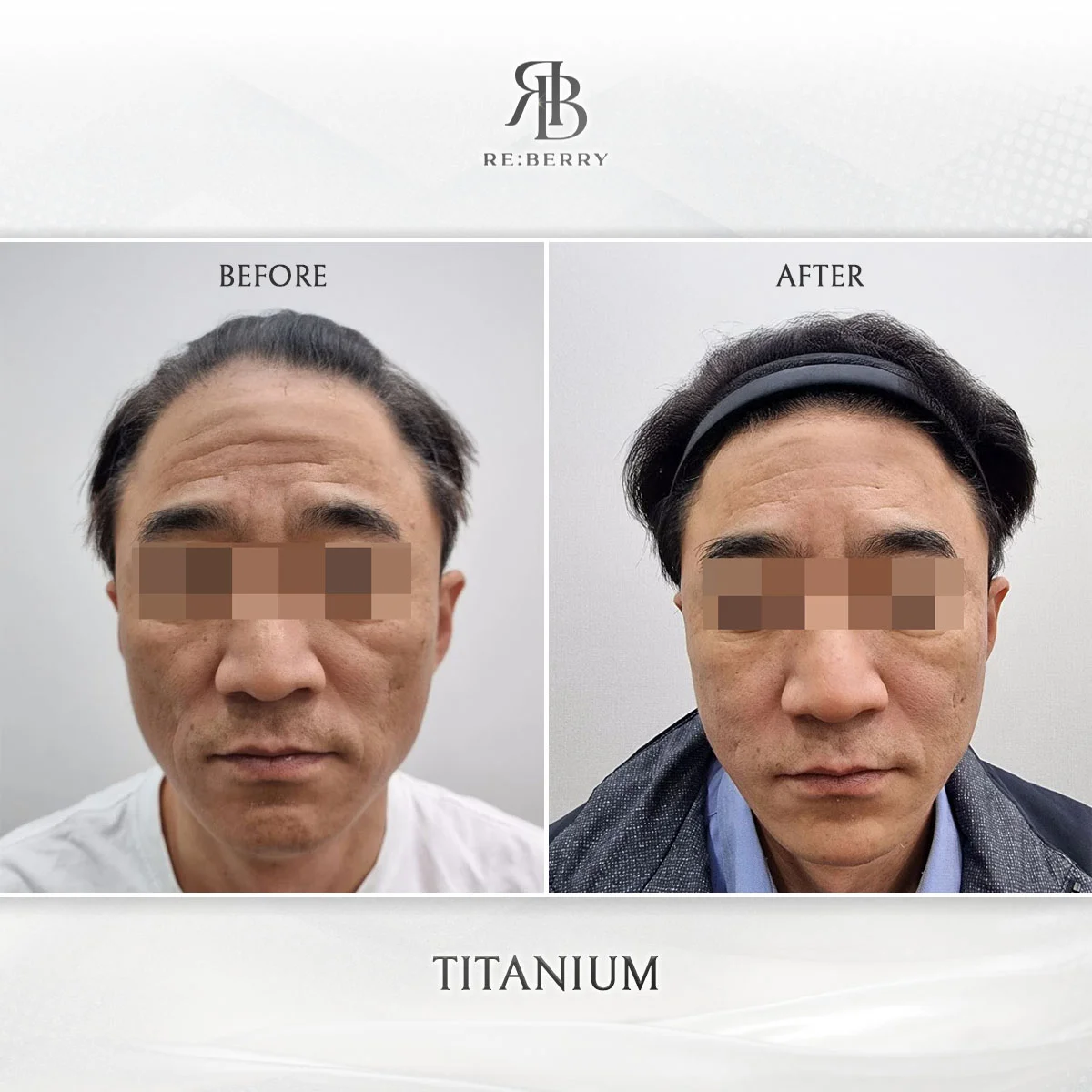
Understanding Thread Lift Safety in Korea
Thread lifting uses absorbable sutures made from polydioxanone (PDO) or poly-L-lactic acid (PLLA) inserted beneath the skin to reposition sagging tissue and stimulate collagen production. In Korea, both PDO and PLLA threads are classified as Class III medical devices under the Korean Ministry of Food and Drug Safety (KFDA), requiring rigorous testing before clinical use. The procedure has been performed in Korean aesthetic clinics since the early 2010s, with over 500,000 procedures estimated annually across the country.
Thread lift safety depends on three primary factors: thread material quality, insertion technique, and practitioner experience. Korean clinics predominantly use KFDA-approved threads manufactured under ISO 13485 standards, ensuring material biocompatibility and consistent tensile strength. The absorbable nature of these threads means they dissolve completely within 6-12 months for PDO and 12-18 months for PLLA, leaving behind stimulated collagen scaffolding.
Common Side Effects and Their Duration
Immediate Post-Procedure Effects
Swelling peaks at 24-48 hours post-insertion and resolves within 5-7 days in 90% of patients. Bruising at entry points occurs in approximately 30-40% of cases, typically clearing within 7-10 days. Mild tenderness along thread paths is expected for 1-2 weeks, with discomfort manageable through standard over-the-counter analgesics. A pulling or tightness sensation is normal and indicates proper thread placement, usually subsiding within 2-3 weeks.
Less Common Complications
Thread palpability, where the patient can feel threads beneath the skin, occurs in 5-8% of cases and typically resolves as surrounding tissue integrates with the suture material. Dimpling at entry or exit points affects roughly 3% of patients and is correctable with gentle massage during follow-up visits. Asymmetry requiring adjustment occurs in approximately 2-4% of procedures. Sulamanidze MA et al. Dermatol Surg. 2011;37(8):1154-1163. doi:10.1111/j.1524-4725.2011.02045.x
Serious Risks and Contraindications
Infection rates for thread lift procedures range from 0.3-0.7% when performed under proper sterile conditions. Thread migration, where sutures shift from their intended position, occurs in fewer than 1% of cases and is more common with barbed threads improperly anchored. Nerve damage causing temporary numbness or tingling affects approximately 0.5% of patients, with full sensation returning within 4-8 weeks in nearly all reported cases.
Absolute contraindications include active skin infections at the insertion site, autoimmune connective tissue disorders, bleeding disorders, and pregnancy. Relative contraindications include recent facial surgery within 6 months, active acne along thread paths, and use of blood-thinning medications. Patients with very thin skin or severe sagging classified as Merz scale grade 3-4 are generally poor candidates, as thread lifting cannot overcome significant gravitational descent.
How to Verify Clinic and Practitioner Qualifications
In Korea, thread lifting must be performed by licensed medical doctors. Verifying a clinic means confirming the practitioner holds a valid Korean medical license, the facility is registered with the local health authority, and the threads used carry KFDA approval markings. Reputable clinics display their registration number, physician license numbers, and list specific thread brands used in their protocols.
Key certifications to look for include KFDA facility registration, membership in the Korean Society of Aesthetic Surgery or equivalent professional bodies, and documented training in thread lifting techniques. An aesthetic medicine specialist with a track record of 500 or more thread lift procedures represents experienced-level practice. RE:BERRY clinics in Korea maintain full KFDA registration and use only certified thread materials across all branches.
Long-Term Safety and Clinical Evidence
A 5-year retrospective study of PDO thread procedures found no long-term adverse effects in 97% of patients after thread absorption. The collagen stimulated by dissolved threads persists for 12-24 months beyond the thread's physical lifespan, meaning the biological benefit continues after the material itself has been metabolized. Repeated thread procedures at 12-18 month intervals show cumulative collagen improvement without increased complication rates. Kang SH et al. Arch Plast Surg. 2019;46(1):18-24. doi:10.5999/aps.2018.00632
No evidence links absorbable thread materials to autoimmune reactions, granuloma formation, or long-term fibrosis when KFDA-approved products are used correctly. The safety profile of PDO threads is supported by decades of use in cardiovascular and orthopedic surgery, where the same material has been used for internal sutures since the 1980s. Proper patient selection, sterile technique, and experienced practitioner hands remain the strongest predictors of safe outcomes.